VBIO

Zukunft Biowissenschaften gemeinsam gestalten! 

Als VBIO sind wir überzeugt: Die Biowissenschaften liefern wichtige Beiträge, um Zukunftsprobleme zu erforschen und Lösungsansätze zu entwickeln.

Analysis warns global biodiversity is below 'safe limit' ahead of COP 15

The world's biodiversity has fallen below the 'safe limit', researchers suggest, as habitat destruction and agriculture take their toll on nature.Ahead of the 2021 UN Biodiversity Conference (COP 15), the Natural History Museum in London has launched the Biodiversity Trends Explorer, an online tool that will allow everyone, from members of the public to policymakers, to see how the biodiversity of different regions has changed over time.  

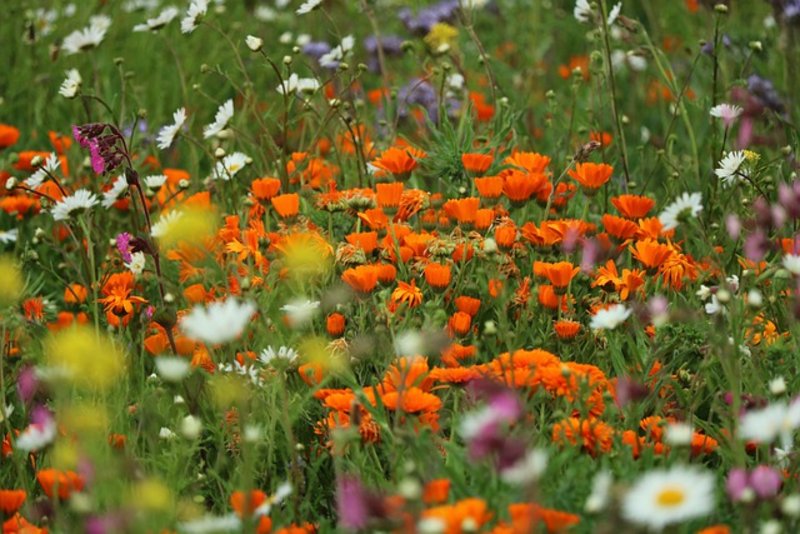
Jeyaratnam Caniceus auf Pixabay

According to new analysis of over 58,000 species by Museum scientists, the UK has only half of its entire biodiversity left, putting it in the bottom 10% of the world's countries.

With an average of just 53% of its native wildlife intact, it falls behind countries including the USA and China following widespread destruction of its habitats from the seventeenth to nineteenth centuries.

Globally - biodiversity intactness, which represents the proportion of the original number of species in an area that remain and their abundance - is measured at 75%. This is significantly below the 90% average set as the 'safe limit' to maintain the ecological processes such as pollination and nutrient cycling that are vital to our survival.

The researchers behind the new analysis have called on governments around the world for ambitious action to preserve and enhance biodiversity globally ahead of the 2021 UN Biodiversity Conference (COP 15).

The Museum has also launched a new tool, the Biodiversity Trends Explorer, to allow people around the world to track biodiversity changes from 2000 to 2050.

Read more

(NHM)

Grafik: Die Entwicklung der Kohlenstoffspeicher Baum und Boden.

In den trockenen Jahren haben Deutschlands Wälder ihre Funktion als Kohlenstoff-Senke weitestgehend verloren. Nun zeigt sich: Der Waldboden hat in…

Weiterlesen
Punktdendrometer werden am Stamm montiert und messen kontinuierlich und im Mikrometerbereich, wie sich der Baumstamm ausdehnt und zusammenzieht.

Der Klimawandel lässt Bäume im Frühling früher austreiben. Trotzdem nimmt das Wachstum einiger Baumarten ab. Eine Studie der Eidg. Forschungsanstalt…

Weiterlesen
Es schimmert und glitzert in der Tiefsee: An den überstehenden Flanschen der Hydrothermalquelle am Knipovich Rücken spiegeln die heißen Fluide durch Ihre optischen Eigenschaften das Licht.

Woher kommt der Wasserstoff in der Tiefsee? Dieser Frage ging ein internationales Team unter Leitung der Universität Bremen nach und stieß auf einen…

Weiterlesen