VBIO

Gemeinsam für die Biowissenschaften

Werden Sie Mitglied im VBIO und machen Sie mit!

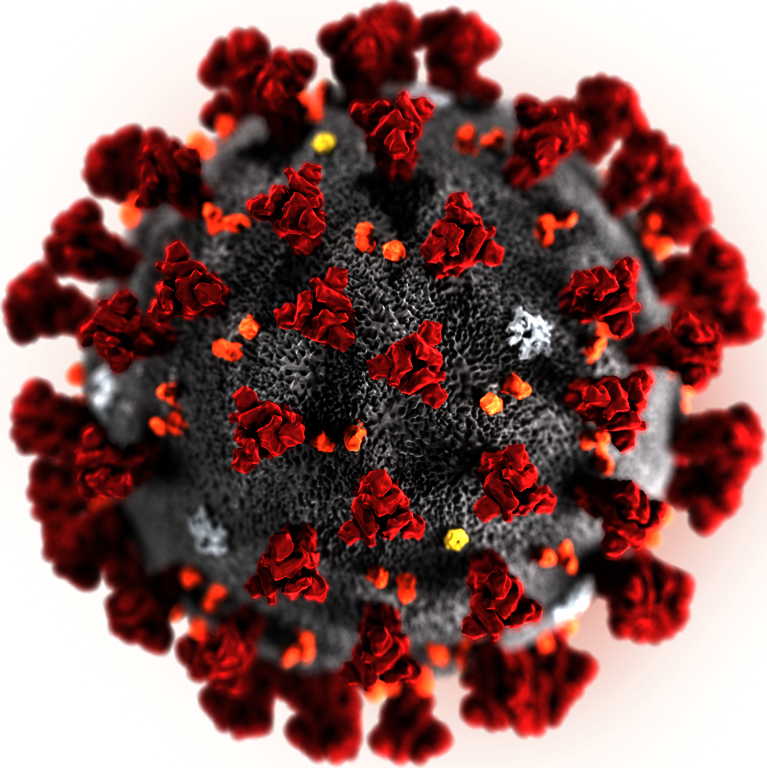
US: NIH Terminates Bat Coronavirus Research Grant

Pixabay CC0

The National Institutes of Health (NIH) has terminated a grant supporting research in China on how coronaviruses spread from bats to humans, according to a report in Politico.
The decision followed unverified reports from U.S. lawmakers and conservative media suggesting that the SARS-CoV-2 virus responsible for the COVID-19 pandemic originated in a laboratory at the Wuhan Institute of Virology in China, which employs a Chinese virologist who had been receiving funding from the NIH grant in question.  Seven days before the grant was terminated, President Trump, when asked about the project, said, “We will end that grant very quickly.”

U.S. intelligence agencies have found no evidence supporting the claim that the virus originated in the lab.  According to an April 30 press release from the Office of the Director of National Intelligence, the U.S. intelligence community “concurs with the wide scientific consensus that the COVID-19 virus was not manmade or genetically modified.”  The intelligence community added that they “will continue to rigorously examine emerging information and intelligence to determine whether the outbreak began through contact with infected animals or if it was the result of an accident at a laboratory in Wuhan.”
NIH informed the study’s sponsor, EcoHealth Alliance, on April 24, 2020 that all future funding was cut.  “At this time, NIH does not believe that the current project outcomes align with the program goals and agency priorities,” wrote Michael Lauer, Deputy Director for extramural research at NIH, in a letter to EcoHealth Alliance officials.
read more (please scroll down to 3rd news)

(AIBS)
weitere VBIO News
  Keimzellen der Braunalgenart Ectocarpus während der Befruchtung.

Wie Braunalgen ihre Partner auswählen

Weiterlesen
Die neu beschriebene Art Cleonardo helga aus der Amphipodenfamilie Eusiridae. Dieses neun Millimeter große Männchen wurde unmittelbar nach dem Fang an Bord aufgenommen.

Meer Leben: Unerwartet hohe Biodiversität im Tiefsee-Schutzgebiet

Weiterlesen
Würfelqualle (Tripedalia cystophora): Die wenige Zentimeter große Art lebt in Mangrovengewässern und dient als Modellorganismus in der Forschung.

Was Quallen am Aufsteigen hindert

Weiterlesen