VBIO

Gemeinsam für die Biowissenschaften

Werden Sie Mitglied im VBIO und machen Sie mit!

How will the COVID-19 crisis affect the global rankings?

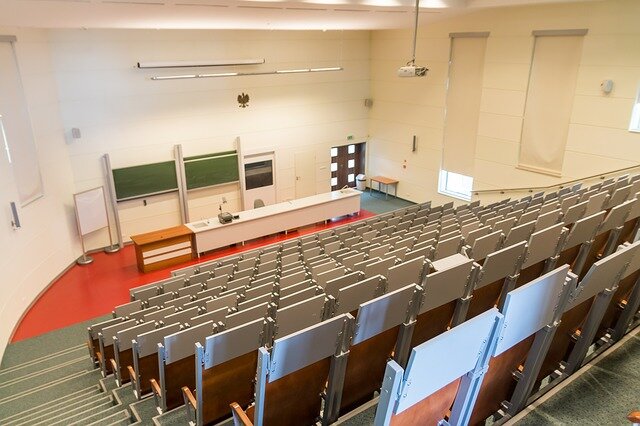
Leererhörsaal, blick an die Tafel
Bild von Michal Jarmoluk auf Pixabay

The first half of 2020 has been dramatic for higher education. The COVID-19 pandemic has shut down schools and universities across the world and its impact will continue for years to come. As they cautiously reopen, universities will find themselves in a world rather different from the one they knew at the beginning of the year. Prediction is always risky, but some trends are likely to emerge and to intensify.

The most obvious is that international student mobility will be reduced. Even if there is a revival in 2021 or 2022, it will almost certainly be limited and patchy. Mainland Chinese students, in particular, are unlikely to return to Western universities in significant numbers, even if there is an uptick of Hong Kong students moving to the West.


There will probably be a shift to new destination countries. Those students who continue to move abroad will head to places that have done better in controlling the pandemic such as Germany, South Korea, Japan, Malaysia, Singapore and New Zealand.

(University Worls News)

Read more

weitere VBIO News
Nano-CT-Modell von Xanthoria parietina einschließlich der Symbionten-Interaktionszone und der Rinde. Algen sind grün, Pilzhyphen grau und die Hyphen der Rindenschicht gelb dargestellt.

Mikrokosmos der Flechten in 3D: Forschende machen Details der Flechtensymbiose sichtbar

Weiterlesen
Borkenkäfer Ips typographus

Pilze entschärfen Fichtenabwehr mit Zucker

Weiterlesen
Die molekulare Darstellung zeigt die Doppelfunktion: Für einen reibungslosen Proteinabbau leitet das Protein SLC26A11 als Transporter den Sulfat-Abfall und als Kanal das anfallende Chlorid aus dem Lysosom heraus in das Zellinnere.

Wie der Transporter SLC26A11 das Recycling in den Zellen in Gehirn und Niere ermöglicht

Weiterlesen