VBIO

Gemeinsam für die Biowissenschaften

Werden Sie Mitglied im VBIO und machen Sie mit!

How will the COVID-19 crisis affect the global rankings?

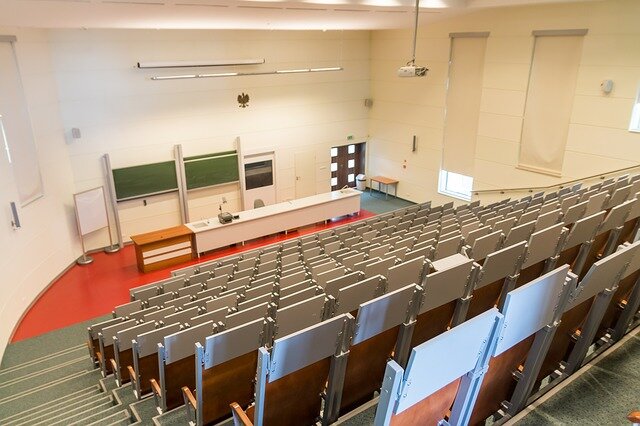
Leererhörsaal, blick an die Tafel
Bild von Michal Jarmoluk auf Pixabay

The first half of 2020 has been dramatic for higher education. The COVID-19 pandemic has shut down schools and universities across the world and its impact will continue for years to come. As they cautiously reopen, universities will find themselves in a world rather different from the one they knew at the beginning of the year. Prediction is always risky, but some trends are likely to emerge and to intensify.

The most obvious is that international student mobility will be reduced. Even if there is a revival in 2021 or 2022, it will almost certainly be limited and patchy. Mainland Chinese students, in particular, are unlikely to return to Western universities in significant numbers, even if there is an uptick of Hong Kong students moving to the West.


There will probably be a shift to new destination countries. Those students who continue to move abroad will head to places that have done better in controlling the pandemic such as Germany, South Korea, Japan, Malaysia, Singapore and New Zealand.

(University Worls News)
Read more

weitere VBIO News
Der Segelfalter (Iphiclides podalirius)

Klimawandel führt zu globalen Veränderungen in der Schmetterlingsverbreitung

Weiterlesen
Dieser Kapuzineraffe knackt eine Cashewnuss mit "experimentellen Steinen". Dazu legt er die Nuss auf einen weichen Amboss und schlägt mit einem harten Hammerstein darauf.

Wilde Kapuzineraffen bevorzugen Steine, die sich beim Nüsseknacken bereits bewährt haben

Weiterlesen
Grafik: Geografische Verteilung von Brandereignissen (rot) im Verhältnis zur durch menschliche Aktivitäten beleuchteten Fläche (gelb) in der europäischen Arktis 2001–2013.

Brandhäufigkeit in der Arktis durch menschliche Aktivitäten mehr als verdoppelt

Weiterlesen