VBIO

Zukunft Biowissenschaften gemeinsam gestalten! 

Als VBIO sind wir überzeugt: Die Biowissenschaften liefern wichtige Beiträge, um Zukunftsprobleme zu erforschen und Lösungsansätze zu entwickeln.

US: NIH Terminates Bat Coronavirus Research Grant

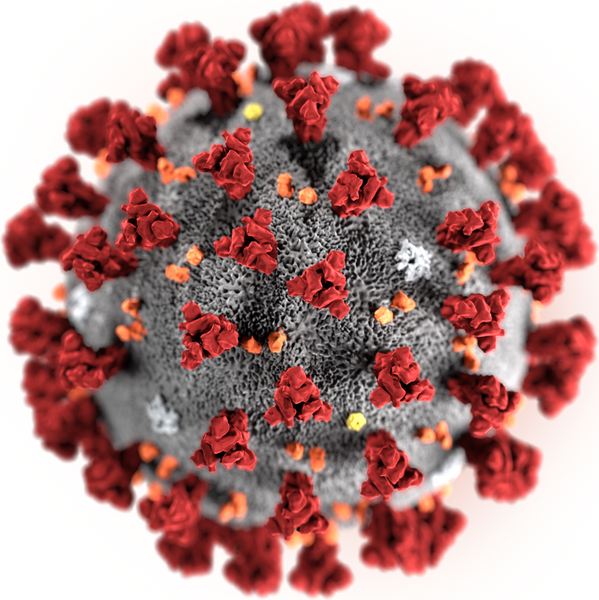
The National Institutes of Health (NIH) has terminated a grant supporting research in China on how coronaviruses spread from bats to humans, according to a report in Politico.
The decision followed unverified reports from U.S. lawmakers and conservative media suggesting that the SARS-CoV-2 virus responsible for the COVID-19 pandemic originated in a laboratory at the Wuhan Institute of Virology in China, which employs a Chinese virologist who had been receiving funding from the NIH grant in question.  Seven days before the grant was terminated, President Trump, when asked about the project, said, “We will end that grant very quickly.”

Pixabay CC0

U.S. intelligence agencies have found no evidence supporting the claim that the virus originated in the lab.  According to an April 30 press release from the Office of the Director of National Intelligence, the U.S. intelligence community “concurs with the wide scientific consensus that the COVID-19 virus was not manmade or genetically modified.”  The intelligence community added that they “will continue to rigorously examine emerging information and intelligence to determine whether the outbreak began through contact with infected animals or if it was the result of an accident at a laboratory in Wuhan.”
NIH informed the study’s sponsor, EcoHealth Alliance, on April 24, 2020 that all future funding was cut.  “At this time, NIH does not believe that the current project outcomes align with the program goals and agency priorities,” wrote Michael Lauer, Deputy Director for extramural research at NIH, in a letter to EcoHealth Alliance officials.
read more (please scroll down to 3rd news)

(AIBS)

Asymetrische zellteilung

Ein zellulärer Reinigungsprozess, die Autophagie, trägt entscheidend dazu bei, dass T-Zellen sich richtig teilen. Das berichten Forschende in einer…

Weiterlesen
Gehirn einer Maus in Seitenansicht (links) sowie Detailaufnahmen eines Blutgefäßes (rechts) sichtbar gemacht mit dem neuartigen Lichtblatt-Fluoreszenzmikroskop.

Lichtblattmikroskope machen Gewebe und ganze Organe in eindrucksvollen 3D-Bildern sichtbar, etwa die filigrane Hörschnecke im Innenohr oder das…

Weiterlesen
Ein Großteil der Proben wurden in der Framstraße zwischen Spitzbergen und Nordost-Grönland genommen.

Der Arktische Ozean galt lange Zeit als nahezu unberührter Raum. Doch Messungen zeigen: Das Nordpolarmeer nimmt einen großen Teil des vom Menschen in…

Weiterlesen