
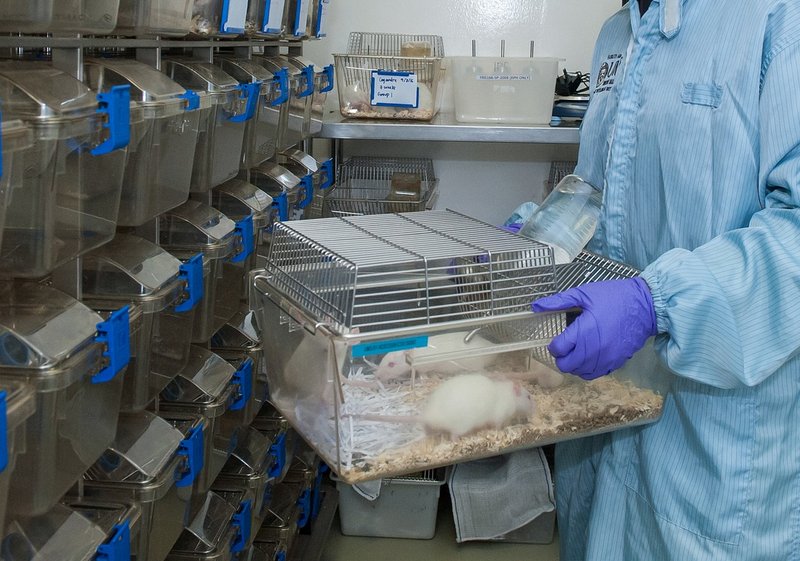
In May 2020, the EU Reference Laboratory for Alternatives to Animal Testing (EURL-ECVAM) released a recommendation on non-animal derived antibodies which stated that “animals should no longer be used for the development and production of antibodies for research, regulatory, diagnostic and therapeutic applications” and that “in the EU, the provisions of Directive 2010/63/EC should be respected and EU countries should no longer authorise the development and production of antibodies through animal immunisation, where robust, legitimate scientific justification is lacking”.
LERU agrees that the use of animals should be avoided wherever possible and fully supports the development of appropriate alternative technologies in line with Directive 2010/63/EU of the European Parliament and of the Council of 22 September 2010 on the Protection of Animals used for Scientific Purposes. However, LERU strongly believes that the proposals presented by EURL-ECVAM to abolish the use of animals for the use of monoclonal or polyclonal antibodies are premature at present.
An immediate ban would have serious implications on current therapeutic interventions resulting in severe harm to patients, on the development of new therapies and on research in the life sciences more generally.
LERU outlines how:
- It is premature to ban the use of animal-derived antibodies at the present time. Indeed, in view of the current pandemic situation, we could argue that we need all the options that we have.
- The EC and other authorities should foster a wider debate amongst scientists on the use of alternatives to animal-derived antibodies, taking into account the scientific, technical and ethical issues of doing so before making any decisions on such a crucial technology.
- There should be a suitable, robust and scientifically-sound method to guide decisions on authorisation of the use of animals for the generation and production of antibodies.
Kurt Deketelaere, Secretary-General LERU said “LERU is strongly concerned with the recommendation from EURL-ECVAM to ban the use of animals for the use of antibodies. At present, there is simply no suitable alternative available in many cases and the negative effect on research and therapeutic uses in Europe will be catastrophic”.
(LERU)